
Off-grid power, sized by the math
Engineering-grade reviews of power stations, solar panels, inverters and batteries — no listicle theater, no hype, just the watt-hour math worked out so you buy the right size once.
Start with your use case
What are you powering?
🚐 RV & van life
Boondocking power, roof solar, and van build electrical — sized for your rig.
🏠 Home backup
Hurricane and blackout prep — how many watt-hours your home really needs.
🏕️ Camping & outdoor
CPAP-safe, car camping and overlanding power without overbuying.
🛖 Cabin & tiny home
Full off-grid system design — voltage, batteries, inverters, wiring.
🧮 New here? Try our free Household Power Usage Calculator — find your daily kWh in 2 minutes, then read how we research.
Browse by category
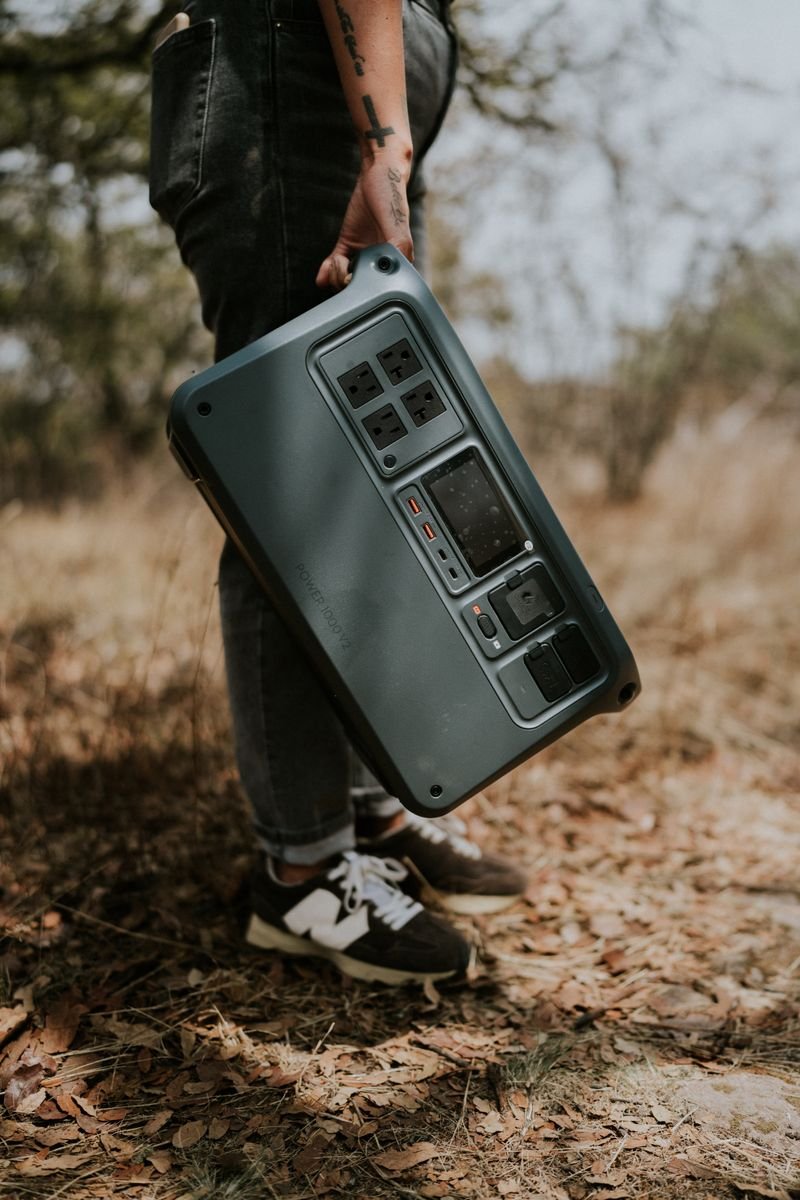
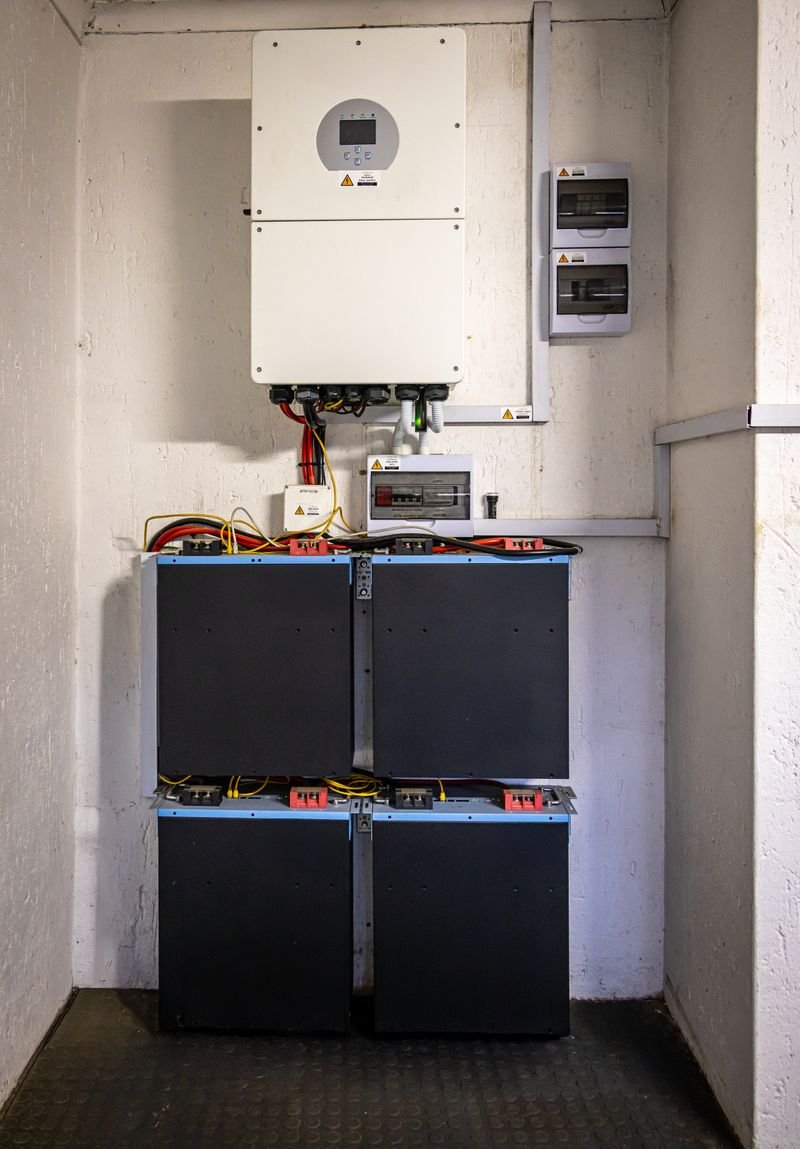
How we pick — every product, same four tests
LiFePO4 or nothing
3,000+ cycle chemistry for off-grid and mobile use. The clear default for longevity, thermal stability, and total cost of ownership.
Real charge specs
Manufacturer claims labeled as claims — cross-checked against independent testers.
Solar input ceilings
The spec that kills more boondock dreams than any other. We lead with it.
Port math per use case
A 30A trailer needs different ports than a van build. We check both.
⚡ Hurricane season is coming
Don’t wait for the forecast cone — is your fridge covered for 48 hours without grid power? Our home backup guides walk you through the math before the rush.
Latest guides & reviews
Start with the WildJoule power library. Choose your use case above, calculate your energy needs with the power usage calculator, then compare equipment sized for the job.
- Bluetti Apex 300 Review (2026): 2.76kWh, 120/240V, and a System You Build Around It
- EcoFlow DELTA 3 Max Plus Review (2026): 3,000W and 1,000W Solar From One 2kWh Box
- Anker SOLIX C2000 Gen 2 Review (2026): 2kWh at 41.7 lb, With an 800W Solar Catch
- Generator Interlock vs Transfer Switch (2026): Which One Fits Your Panel and Your Generator
- Jackery Explorer 300 v2 Review (2026): 8 Pounds, 288Wh, and a 100W Solar Ceiling
- Jackery HomePower 3000 Review (2026): 3kWh, a TT-30 Outlet, and the Explorer 3000 v2 Under a New Name
Quick answers
What size power station do I need?
Add up your daily loads in watt-hours (a 12V fridge ≈ 1,200 Wh/day, lights ≈ 60 Wh, CPAP ≈ 240 Wh/night), multiply by your days off-grid, then subtract what solar puts back. Our power usage calculator does this math for you.
Is LiFePO4 worth it over lithium-ion?
Yes, decisively. LiFePO4 lasts 4–6× longer (3,000+ cycles vs ~500) and has substantially better thermal stability than conventional lithium-ion chemistries — the main reason it dominates in off-grid and mobile builds. Every product we recommend uses LiFePO4.
Can a power station run an RV air conditioner?
For short bursts, the 3,000W+ class can. For continuous cooling you need 4,000+ Wh of capacity and even then expect 4–6 hours. If all-day AC is the goal, you want a dedicated battery bank and inverter, not a portable unit.
Battery power station or gas generator?
Battery wins on noise, indoor safety, and zero fuel storage; gas wins on long multi-day outages and upfront cost per watt. For most homes the answer is battery-first with gas as extended backup — our comparison guides run the real numbers.
No hands-on theater. We build every recommendation from manufacturer specs, independent lab tests, and verified owner reports — then we show our math. When we don’t know something, we say so. How we research →