Stealth Van Electrical: Hide a Power System in Plain Sight (2026)
stealth van electrical

Independent, engineering-grade reviews of portable power stations — LiFePO4 capacity, real output specs, solar input ceilings, and the sizing math to pick the right unit the first time.
stealth van electrical
best power station car camping
River 3 vs Anker C300 for tent campers: 245Wh against 288Wh, almost identical energy per pound. The C300’s 140W USB-C and faster switchover against the River 3’s lower weight and full one-hour wall charge.
Goal Zero vs EcoFlow at the flagship-portable level: the LiFePO4 Yeti 1500 (6th Gen) against the DELTA 3 Max. EcoFlow gives you more capacity for less weight; Goal Zero gives you far more solar input and a weather rating.
ProMaster van solar is easier than most vans: a wide, boxy roof with factory mounting points. Which kits and panels fit, how much wattage makes sense, and when a rack beats glue.
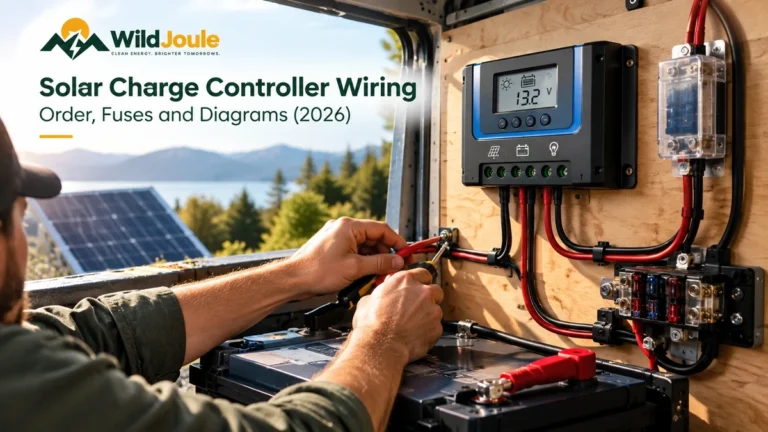
Solar charge controller wiring done right: battery first, panels second, a fuse within a foot of the battery, and cable sized for 3% drop. Diagrams for 1 and 2 panels.
How to read a battery monitor: what state of charge, current, consumed Ah and time-to-go really mean, why you see “—“, and why time-to-go looks wrong on lithium.
Inverter beeping usually means low voltage under load, a surge overload, heat or over-voltage. Here is how to tell which, with a five-minute multimeter check.
Goal Zero’s Yeti 1500X still has a strong 2,000W inverter, but its NMC battery is rated for 500 cycles and it’s now sold out. When a discounted unit makes sense, and why the new LiFePO4 Yeti 1500 is the better buy.
Most power stations that won’t charge have a simple cause: solar voltage outside the input window, a battery too cold to charge, an app charge limit, or a weak adapter. Match your symptom to the fix.